Source Brass Letters with T Typeholder for DIY, Stamping, and Embossing
Compare 30 listings for brass letters with t typeholder designed for DIY projects, leather processing, and wood applications. Buyers can evaluate specifications like material, size, and customization options from verified Chinese manufacturers; compare the available evidence and request quotations based on your requirements.
Key considerations
Products List






Comprehensive Sourcing Guide
Brass Letters with T Typeholder Sourcing Guide
Sourcing brass letters with T-type holders requires a nuanced understanding of both the decorative material properties and the mechanical stability provided by the mounting hardware. These components are frequently utilized in signage, branding, and architectural detailing where durability and aesthetic appeal are paramount. The T-type holder serves as a critical interface, ensuring that the brass letter remains securely fixed while allowing for precise alignment during installation. Buyers must recognize that the quality of the brass alloy directly influences the longevity of the finish, while the structural integrity of the T-holder determines the load-bearing capacity of the final assembly.
Procurement decisions should be guided by the specific application environment, whether indoor or outdoor, as this dictates the necessary surface treatments and material grades. Trusted category knowledge indicates that brass offers excellent corrosion resistance, but the addition of a T-type holder introduces variables related to thermal expansion and mechanical stress. Therefore, sourcing strategies must prioritize suppliers who demonstrate expertise in both metal casting and precision machining. This dual competency ensures that the letters are not only visually consistent but also mechanically robust, reducing the risk of failure during transport or after installation in high-traffic areas.
Product Scope and Observed Listing Signals
The observed market signals indicate a diverse range of products, including character granules for coding machines and hot stamping brass molds, which suggests a broad industrial context for brass components. While specific listings for "brass letters with T typeholder" may not be explicitly detailed in the provided data, the presence of brass material specifications and hot stamping applications provides a relevant baseline for understanding potential product variations. Buyers should note that observed price ranges vary significantly, reflecting differences in material purity, manufacturing complexity, and customization levels. This variance underscores the importance of clearly defining requirements before engaging with suppliers to avoid misalignment in expectations.
Listing attributes such as "Customization: Available" and "DESIGN: OPTIONAL" highlight the flexibility often found in this sector, allowing for bespoke solutions tailored to specific branding needs. However, the absence of explicit MOQ values or lead times in the general data necessitates direct inquiry with suppliers to confirm production capabilities. The mention of "Video Outgoing-Inspection: Provided" serves as a positive signal for quality assurance, indicating that some suppliers are willing to demonstrate product quality before shipment. Buyers should leverage these signals to request detailed catalogs and sample kits, ensuring that the brass letters meet their specific aesthetic and functional criteria.
Technical Specifications to Verify
Verifying technical specifications is crucial when sourcing brass letters with T-type holders, particularly regarding material composition and dimensional accuracy. Buyers should confirm the brass alloy grade, as this affects both the color consistency and the mechanical properties of the letters. The T-type holder must be evaluated for its wall thickness and hardness, with trusted knowledge suggesting that robust holders often exceed specific hardness thresholds to prevent deformation. Additionally, the surface treatment process should be clearly defined, as options like polishing, plating, or patina finishing significantly impact the final appearance and durability of the product.
Dimensional tolerances are another critical area for verification, especially when integrating the letters into existing signage systems. The compatibility between the brass letter and the T-type holder must be precise to ensure a secure fit without excessive play or interference. Buyers should request detailed engineering drawings or CAD files to verify these dimensions, paying close attention to the mounting hole patterns and the overall profile of the T-holder. Furthermore, the weight of each letter should be considered, as heavier brass components may require reinforced mounting solutions or specialized installation techniques to maintain structural integrity over time.
Compliance and Safety Documentation
Compliance and safety documentation are essential for ensuring that sourced brass letters meet regulatory standards and industry best practices. While specific certifications may vary by region, buyers should inquire about material safety data sheets (MSDS) to verify the absence of harmful substances, particularly if the letters are intended for use in food-related or consumer-facing environments. The presence of ISO certification, as noted in some related product data, can serve as an indicator of a supplier’s commitment to quality management systems, although it does not guarantee compliance with all local regulations.
Safety considerations also extend to the installation process, where the structural integrity of the T-type holder plays a vital role. Buyers should ensure that suppliers provide installation guidelines that address load-bearing limits and environmental factors, such as wind or vibration. In cases where the letters are used in public spaces, additional certifications related to fire resistance or structural safety may be required. By prioritizing suppliers who offer comprehensive documentation, buyers can mitigate risks associated with non-compliance and ensure that the final installation meets all necessary safety standards.
Cost Drivers and Commercial Terms
Cost drivers for brass letters with T-type holders include material costs, manufacturing complexity, and customization requirements. The price of brass fluctuates based on global market conditions, directly impacting the final cost of the letters. Customization, such as unique fonts, sizes, or finishes, adds to the production time and cost, as it often requires specialized tooling or additional processing steps. Buyers should also consider the impact of packaging and shipping, as brass components are heavy and may incur higher freight costs, especially for international orders.
Commercial terms should be carefully negotiated to protect the buyer’s interests, including clear definitions of payment terms, delivery schedules, and warranty provisions. The observed data suggests that some suppliers offer warranties, which can provide peace of mind regarding product durability. However, buyers should verify the scope of these warranties, including what constitutes valid claims and the process for filing them. Additionally, understanding the supplier’s return policy and defect resolution procedures is essential, as it can significantly affect the total cost of ownership if issues arise during installation or use.
Supplier Qualification and Quality Control
Supplier qualification is a critical step in the sourcing process, requiring a thorough assessment of the supplier’s manufacturing capabilities and quality control systems. Buyers should verify the supplier’s experience in producing brass components, particularly those involving casting or machining processes. The presence of advanced manufacturing technologies, such as CNC milling, can be a positive indicator of precision and consistency in production. Additionally, suppliers who provide video outgoing inspections demonstrate a commitment to transparency and quality assurance, allowing buyers to verify product condition before shipment.
Quality control measures should be clearly defined in the procurement agreement, including inspection criteria and acceptance standards. Buyers should request samples for initial evaluation, checking for surface defects, dimensional accuracy, and overall finish quality. Establishing a clear communication channel with the supplier’s quality team can facilitate rapid resolution of any issues that arise during production. By prioritizing suppliers with robust quality control systems, buyers can ensure that the brass letters with T-type holders meet their high standards for performance and aesthetics.
Long-Term Procurement Checks
Long-term procurement checks involve ongoing monitoring of supplier performance and product quality to ensure sustained value. Buyers should establish key performance indicators (KPIs) related to delivery times, defect rates, and customer service responsiveness. Regular audits or reviews of the supplier’s quality control processes can help identify potential issues before they impact production. Additionally, maintaining open communication with the supplier can foster a collaborative relationship, leading to continuous improvement and innovation in product design and manufacturing.
Market trends and technological advancements should also be monitored, as they may influence the availability and cost of brass materials and manufacturing techniques. Buyers should stay informed about new surface treatments or mounting solutions that could enhance the performance or aesthetic appeal of the brass letters. By proactively managing the supplier relationship and staying attuned to industry developments, buyers can ensure that their procurement strategy remains effective and competitive in the long term.
FAQs
What materials are used for brass letters with t typeholder?
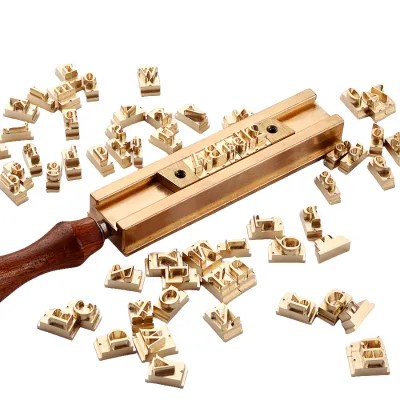
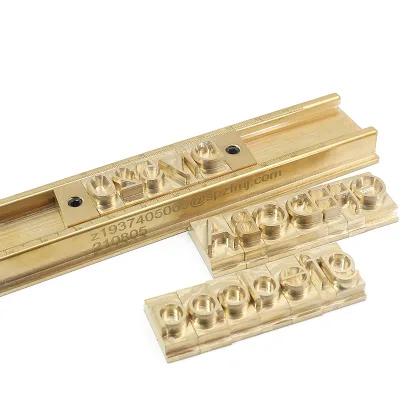
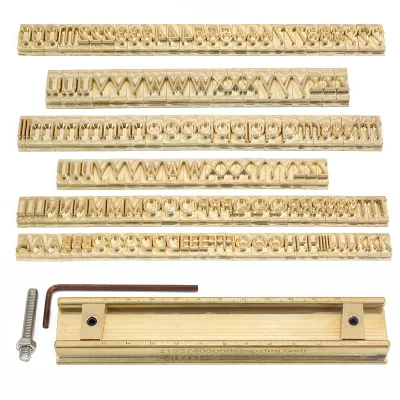
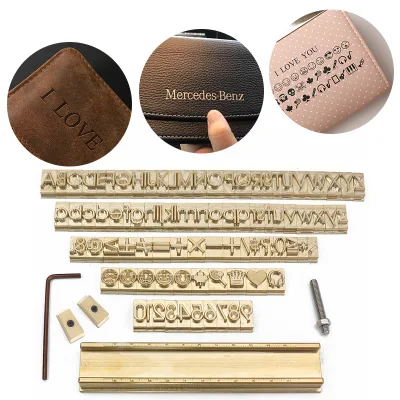
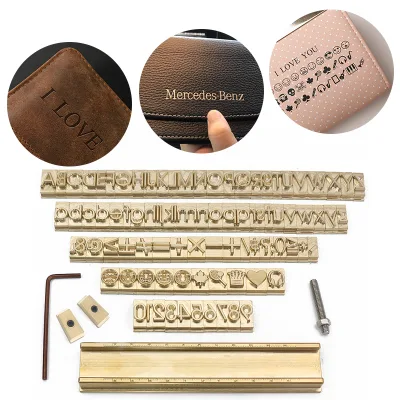
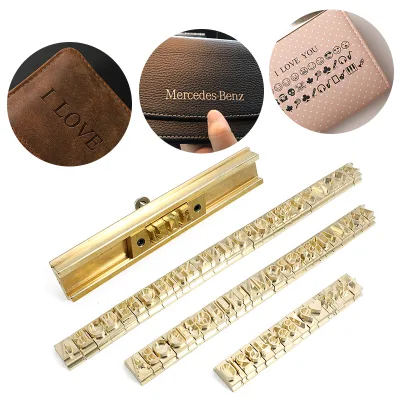
The product is made from brass metal, suitable for DIY projects and stamping applications. These letters feature a t typeholder design for easy handling. They are available in various sizes and can be customized to meet specific project requirements for leather or wood processing.
Which certifications do these brass letters hold?
These brass letters carry ISO and CE certifications to ensure quality and safety standards. The manufacturing process involves CNC milling and drawing die techniques. This ensures the final product meets international requirements for industrial and decorative applications in machinery and hardware sectors.
Can I customize the size of brass letters with t typeholder?
Yes, customization is available for the size and design of these brass letters. The standard size is 8mm, but options like 2*4*15mm or custom dimensions can be requested. This flexibility allows buyers to tailor the product for specific embossing or logo applications on various materials.
How are these brass letters packaged for shipping?
The product is packaged in carton boxes or on pallets for secure transport. Each unit weighs 0.5kg and is shipped from China, specifically Henan or Shandong provinces. The packaging ensures the brass letters remain undamaged during transit to international destinations for industrial or DIY use.
What is the minimum order quantity for brass letters with t typeholder?
The minimum order quantity ranges from 1 to 2000 units depending on the supplier and customization needs. Buyers can order single items or bulk quantities for large projects. This flexible MOQ allows small businesses and large factories to source the brass letters according to their specific production requirements.
Which machines are recommended for using these brass letters?
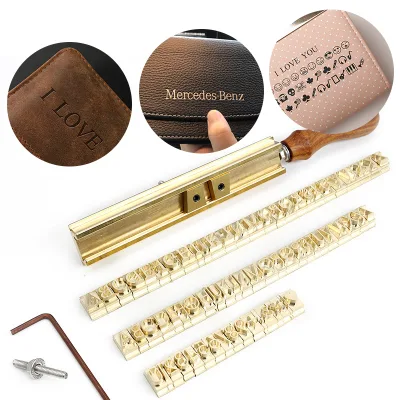
These brass letters are recommended for use with hot stamping machines for embossing applications. They are designed to work effectively with machinery and hardware tools. The letters provide clear, complete printing effects with good adhesion on leather, wood, and other decorative surfaces.
What is the lead time for custom brass letters with t typeholder?
Lead times vary based on customization and order volume, typically ranging from standard to extended periods. The product origin is in China, with shipping usually handled by courier services. Buyers should confirm specific timelines with suppliers to ensure timely delivery for their production schedules.